Bookshelf
Alumni and faculty members who would like to have their books considered for this listing should contact Stacey Himmelberger, editor of Hamilton magazine. This list, which dates back to 2018, is updated periodically with books appearing alphabetically on the date of entry.
-

(Marrowstone Press, 2026).
Subtitled “Reflections at 84,” this book of poems is described by the publisher thusly: “Suppose, old, you find yourself more in love with the world than ever, even while knowing, also better than ever, how vile and violent much of history is, how cruel time and ill fortune can be. What then? That is the question which Weltner’s After Dwelling on Earth confronts not to answer it, but to pursue it further, to deepen it so that at least the question itself makes more sense in the way poetry can sometimes do, by accepting for itself the offered ways of love and language.”
Topic -
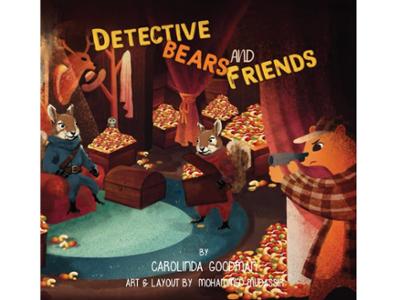
(Little Cottage Press, 2024).
“Porcupines in prickles and towers of giraffes; Some group names of critters will give you belly laughs!” So writes the author in this children’s book that tells in cheerful rhyming verse and colorful, whimsical illustrations about the names by which some animal groups go.
Topic -

(Scribner, 2026).
From a features editor at The New York Times comes this book that’s more than your typical music biography; it’s a front-row seat to the forces that shaped an era. From Dylan’s initial dismissal description of the Beatles as being “bubblegum” for “teenyboppers,” to his realization that they were “pointing the direction where music had to go” — and from McCartney once calling Dylan’s music “folk crap” to the Fab Fours’ impromptu renditions of 15 Dylan songs during the 1969 Get Back sessions — the book captures the moments that pushed Dylan to “go electric” and inspired the Beatles to deepen their lyrics.
Topic -

(Harper Collins, 2026).
When Vogue magazine featured Madden’s bestselling novel earlier this year, the writer described it perfectly: “There is, to put it simply, no book quite like T Kira Madden’s Whidbey, a literary thriller that braids together the perspectives of three protagonists — two survivors of childhood sexual abuse and the mother of their recently deceased abuser — with skill and astonishing empathy. If it’s short on facile platitudes about what it means to live through something awful, it just might reconfigure your expectations about what it means to live at all.”
Topic -
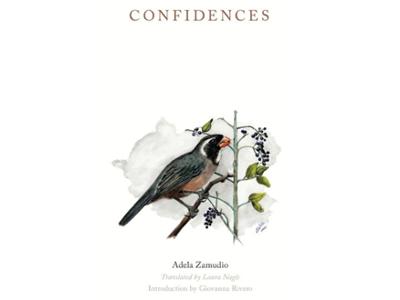
(Bucknell University Press, 2026).
This book is a translation of a 1913 work by the Bolivian poet Adela Zamudio. (1854-1928). The publisher notes, "The only novel written by acclaimed feminist poet Adela Zamudio, Confidences was harshly criticized for not following the conventions of realist literature, but it has since been hailed as a lost classic of Bolivian modernism. Now available in English for the first time, this translation captures the lyrical qualities of Zamudio’s prose as it vividly depicts how sexism, religious dogma, and prejudice prevented women from shaping their own destinies."
Topic -
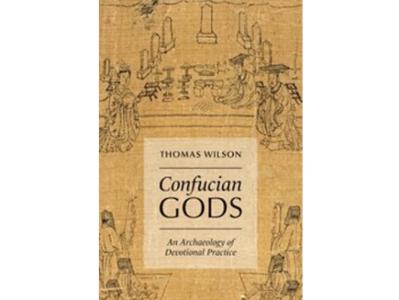
(Oxford University Press, 2026).
This book offers an intellectual history of Confucian conceptions of the gods found in the classics and feasted by the imperial court until the early 20th century. The author examines court debates surrounding these canonical gods and the devotional rites to feast them at imperial altars and temples during the Tang (618-907), Song (960-1279), and Ming (1368-1644) dynasties.
Topic -
(Ediciones MYL, 2026).
(Literature and Mining in the Andes: A Reading of Extractivist Imaginaries)
This book explores the literary traditions of Bolivia and Peru, contextualizing how mining has shaped regional identities, labor, and landscapes from colonial times to the present. Based on close readings of literary and journalistic productions, the author explores how elite intellectuals of the late 19th century portrayed “extractivism” alongside their visions for a modern nation, specifically how it should be integrated into and benefit from an international market constantly hungry for the gold, silver, and other minerals of the Andean region.
Topic -

(Little Brown and Co., 2026).
Inspired by stories of her great-great-grandmother’s experiences with Eastern European antisemitism, the author’s chilling debut novel is described this way by one reviewer: “Lyrical and haunting with a nearly palpable ache at its core, Odessa is a quiet horror, laying bare a comparison of real-life evils with supernatural ones. Its fear lingers long after the story is complete.”
Topic -
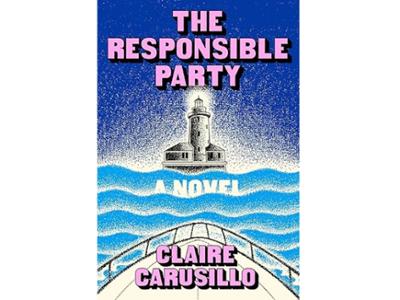
(Henry Holt and Co., 2026).
The author’s hilarious first novel is the story of several women, in different timelines, trying to stay afloat. The book jacket describes it thusly:
“Claire grew up with the legend of the Unsinkable Mounsey Women. Her great-great-grandmother Fanny made headlines in 1915 for washing ashore in England nearly a year after her ship sank. Fanny’s daughter Sarah went to collect her mother on the equally ill-fated Lusitania ? whose sinking she, too, survived. Their improbable endurance led to regional stardom on the Midwestern vaudeville circuit. But Claire never knew the full story —until now.
Topic -
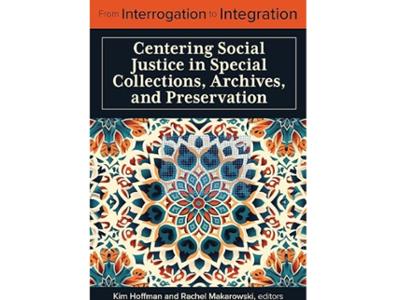
(American Library Association, 2025).
“From their inception, special collections and archives have memorialized the lives of people in power, serving as a tool to preserve the status quo and perpetuate systemic oppression.” So notes this book, which collects case studies, research projects, lesson plans, stories, practical strategies, color illustrations, and accessible, low-cost solutions from authors who have grappled directly with the legacy of harm present in their own institutions.
Contact
Stacey Himmelberger
Editor of Hamilton magazine
